
Clinical Music
🧠The Neurochemical Effects of Clinical Music
Neuroscientific research shows that music acts directly on the brain’s reward and well-being circuits. Far beyond simple auditory pleasure, it triggers a variety of psychophysiological responses — from chills to the deepest emotions — influencing the body, the psyche, and the emotional life of human beings.
💫 Mood and Motivation
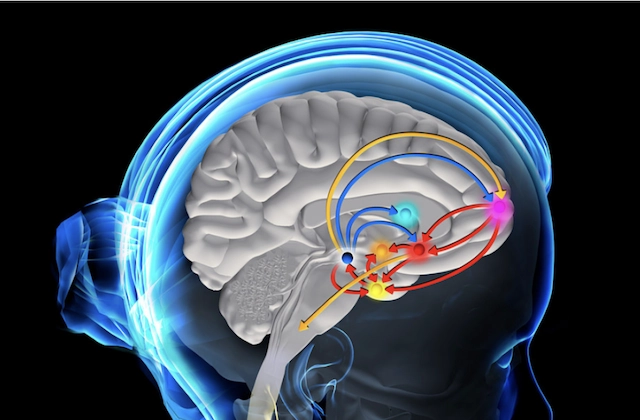
According to Salimpoor et al. (2011), listening to pleasurable music stimulates the release of dopamine, a key neurotransmitter associated with pleasure and motivation.
This activation of the reward circuit (ventral tegmental area, nucleus accumbens, hypothalamus) reinforces the memory of pleasure and promotes the repetition of positive behaviors.
🌈 Depressive Symptoms and Mood Regulation

Music listening has been associated with increased serotonergic activity.
This action helps regulate mood and reduce mental rumination. Interestingly, a large portion of the body’s serotonin is produced by the enteric system, which explains the connection between emotions and digestion.
💊 Pain and Anxiety

Studies (Zhu, Cadet, Salamon, Mantione, 2004) show that music promotes the release of endorphins — naturally occurring substances with analgesic, anxiolytic, and euphoric effects.
They contribute to the modulation of pain perception while supporting overall well-being.”
🤝 Music and Social Bonding

When a group listens to or creates music together, brain synchronization occurs among participants.
This collective experience has been associated with the release of oxytocin in the hypothalamo-hypophyseal complex, fostering empathy, trust, and generosity.
The proceeds from these hypnosedative music works support cancer research.
Listen to Hypnosedative Music
Music therapy is a recognized allied health profession in many healthcare and clinical settings.
“The musical works presented on this site are intended as supportive tools and do not replace medical or psychological treatment.
©Alain Collinet 2024